LionMouth Community Interest Company
Facilities
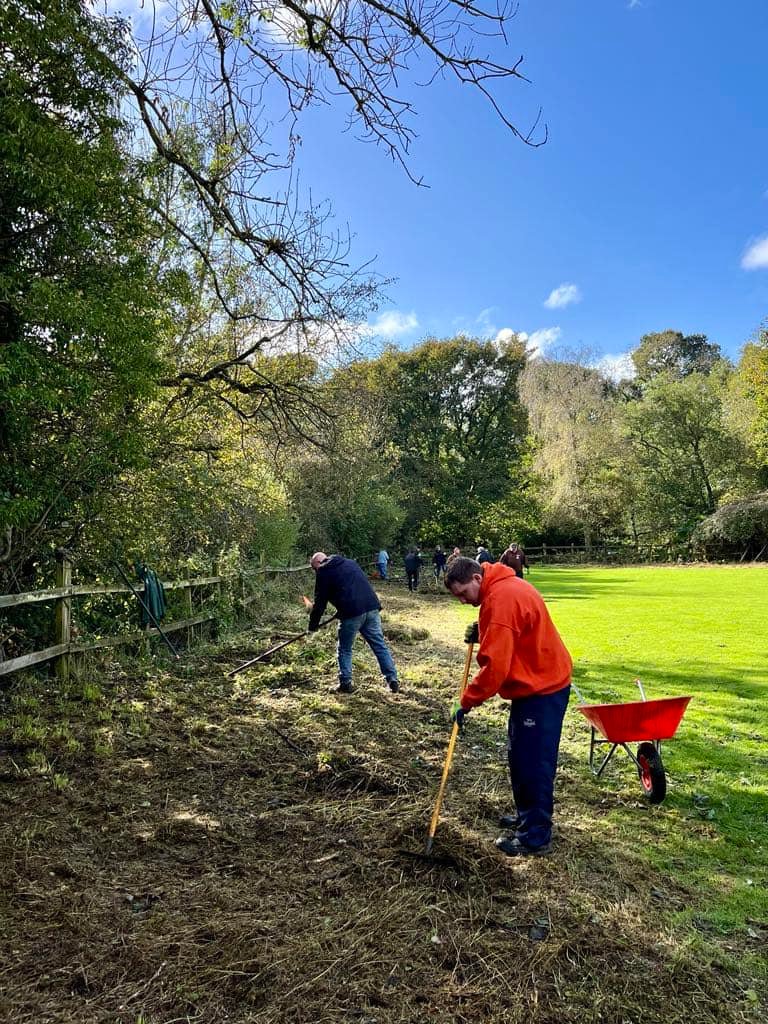
We have a variety of different spaces set over 7 acres
Buildings

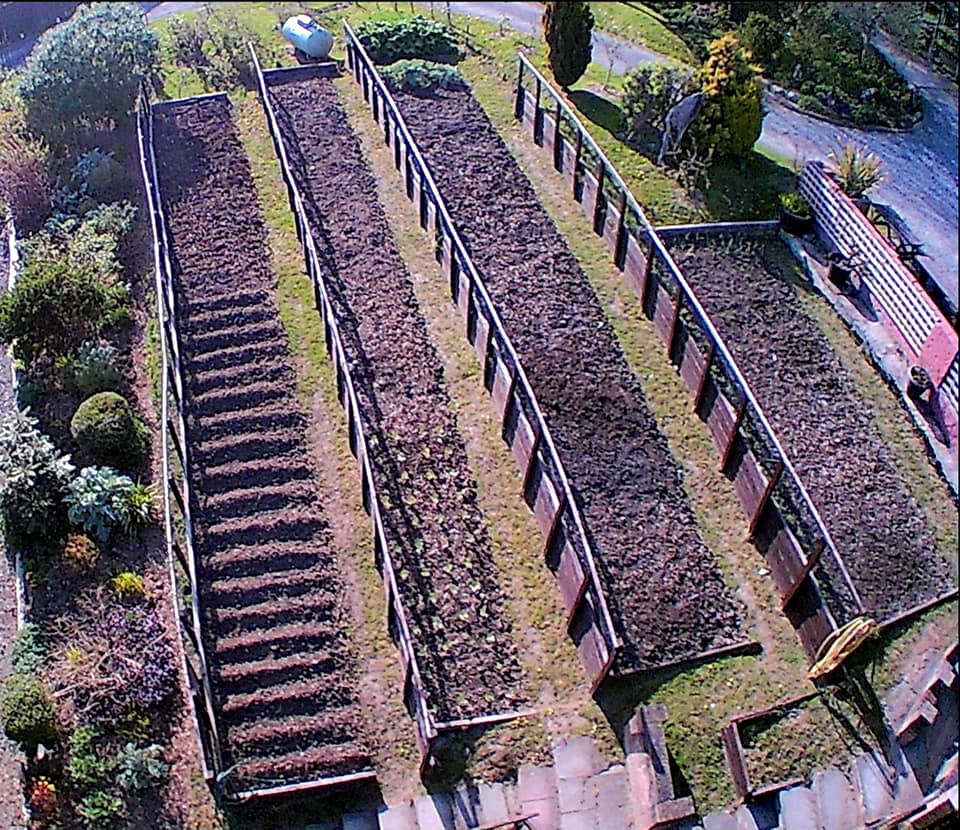
Vegetable terraces & wildflower orchards

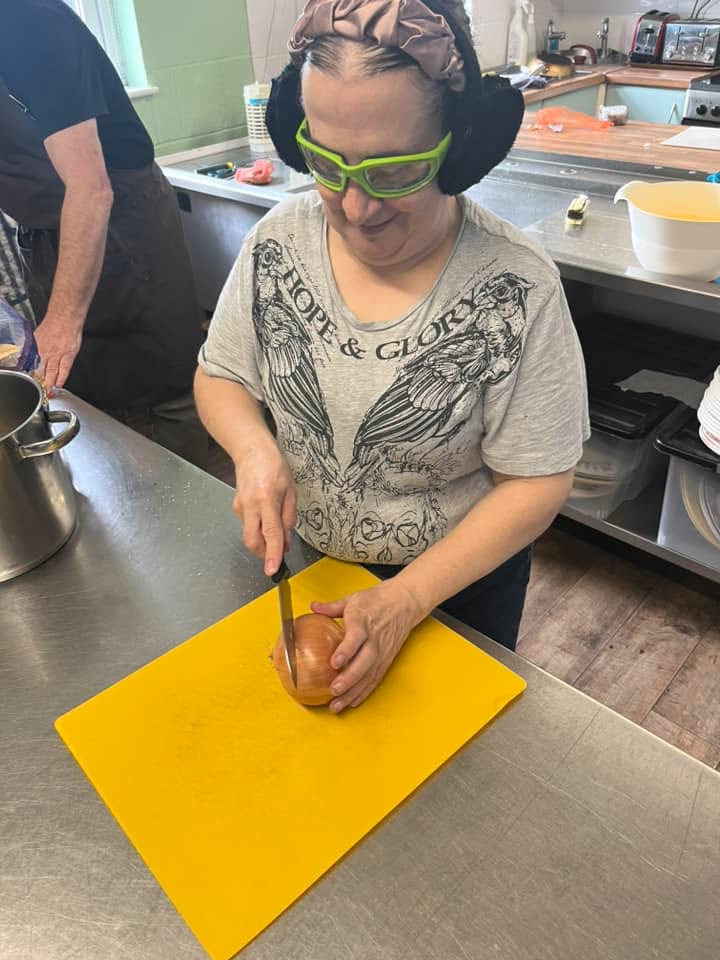
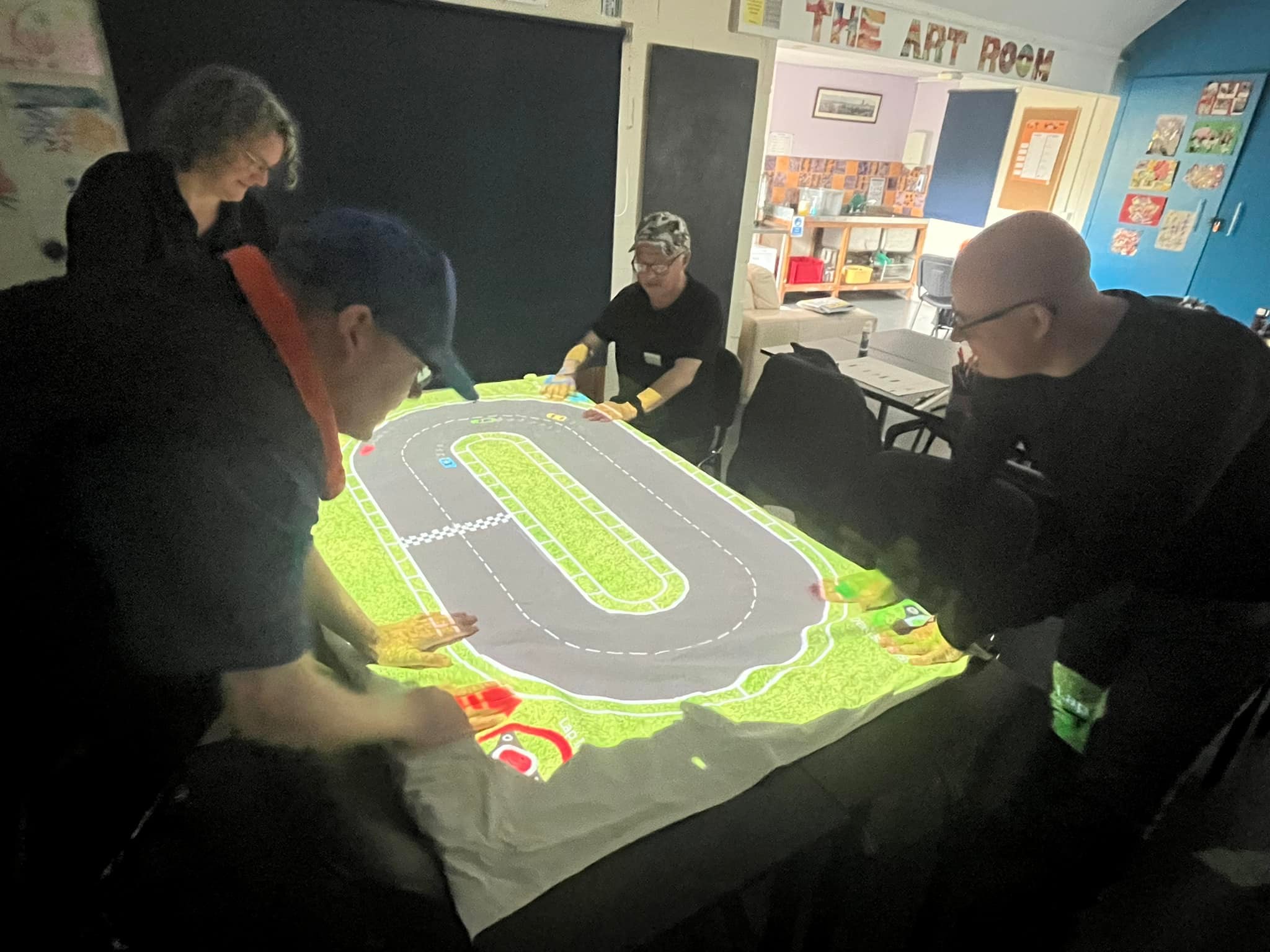
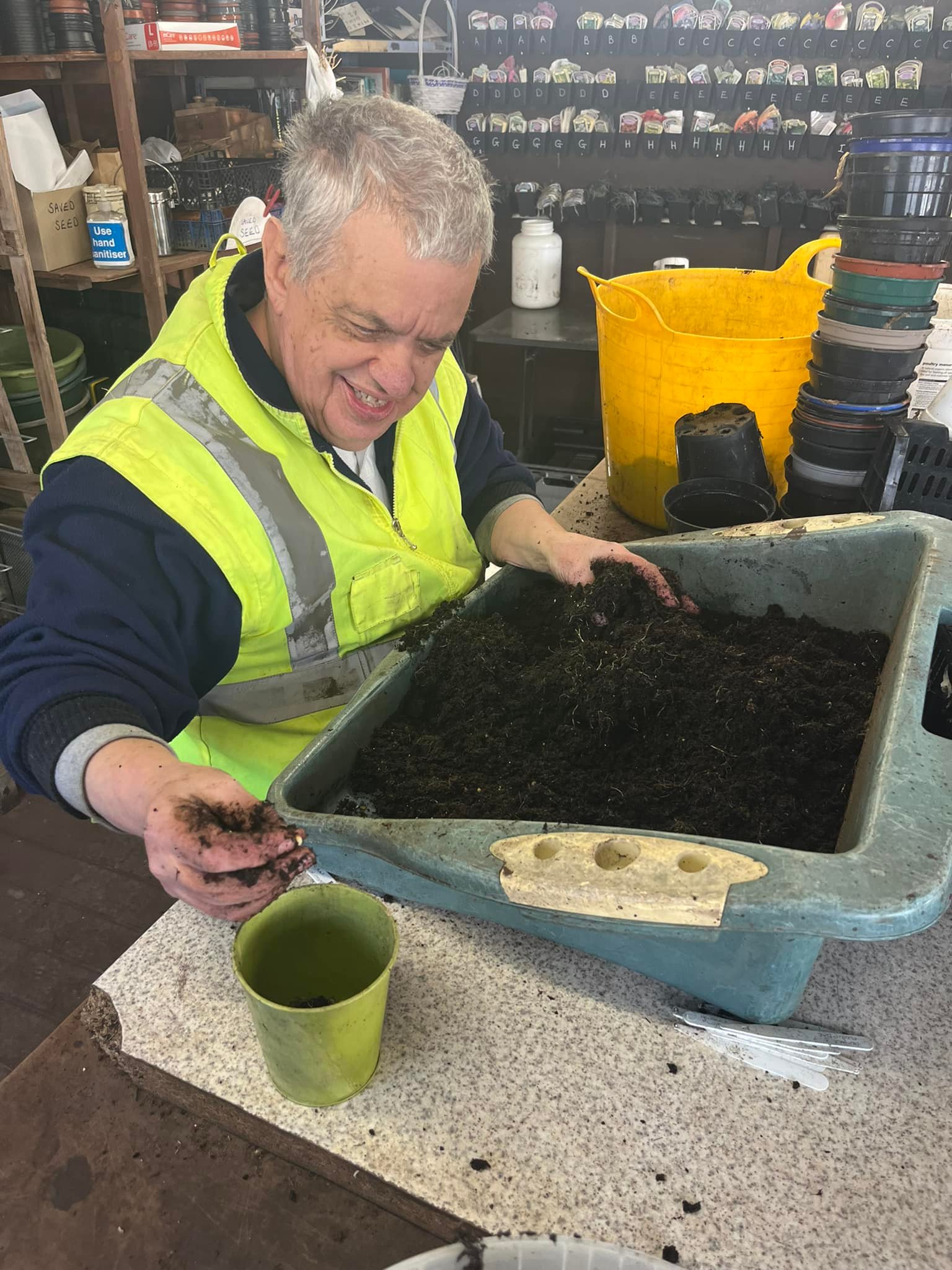
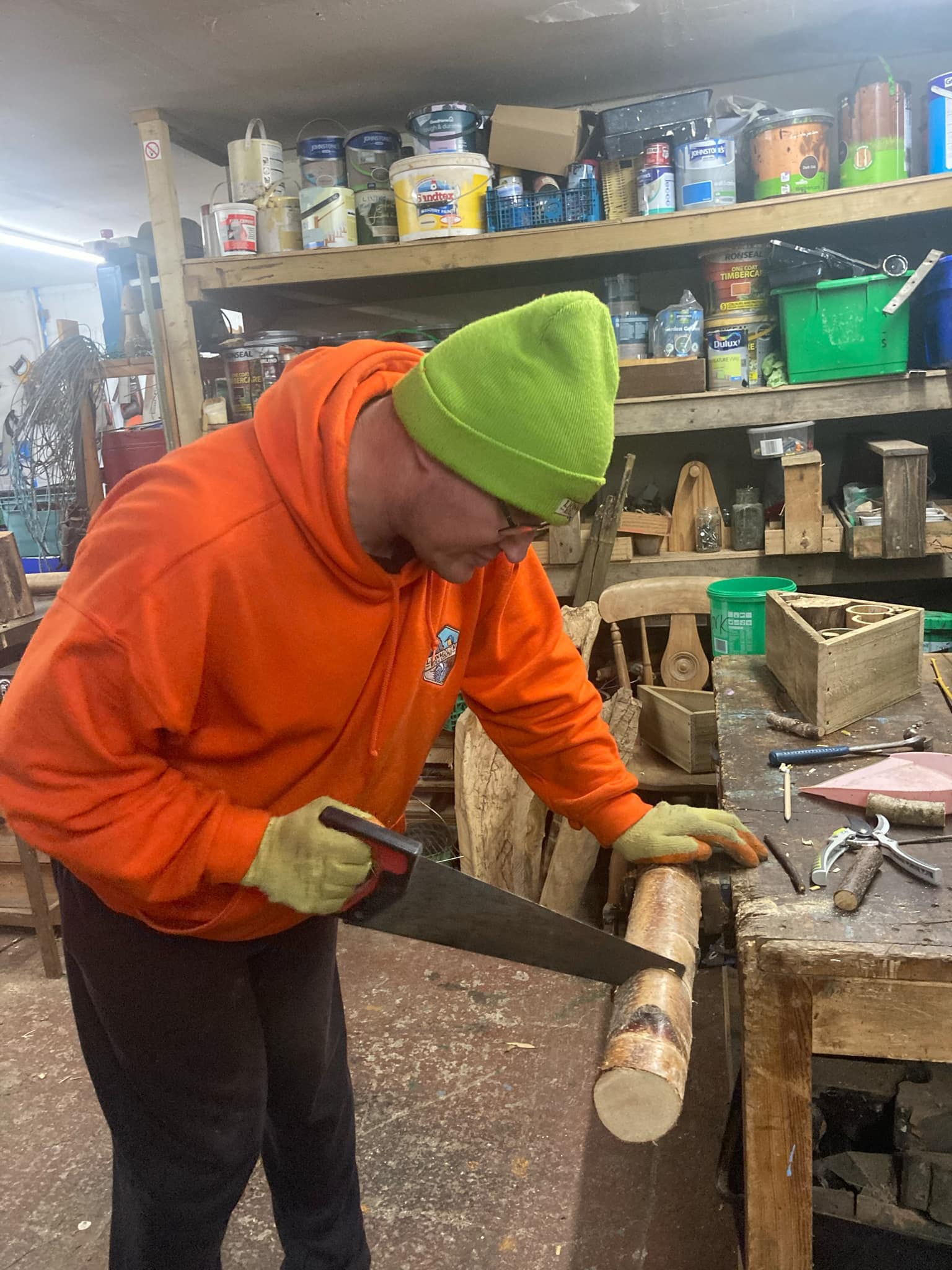
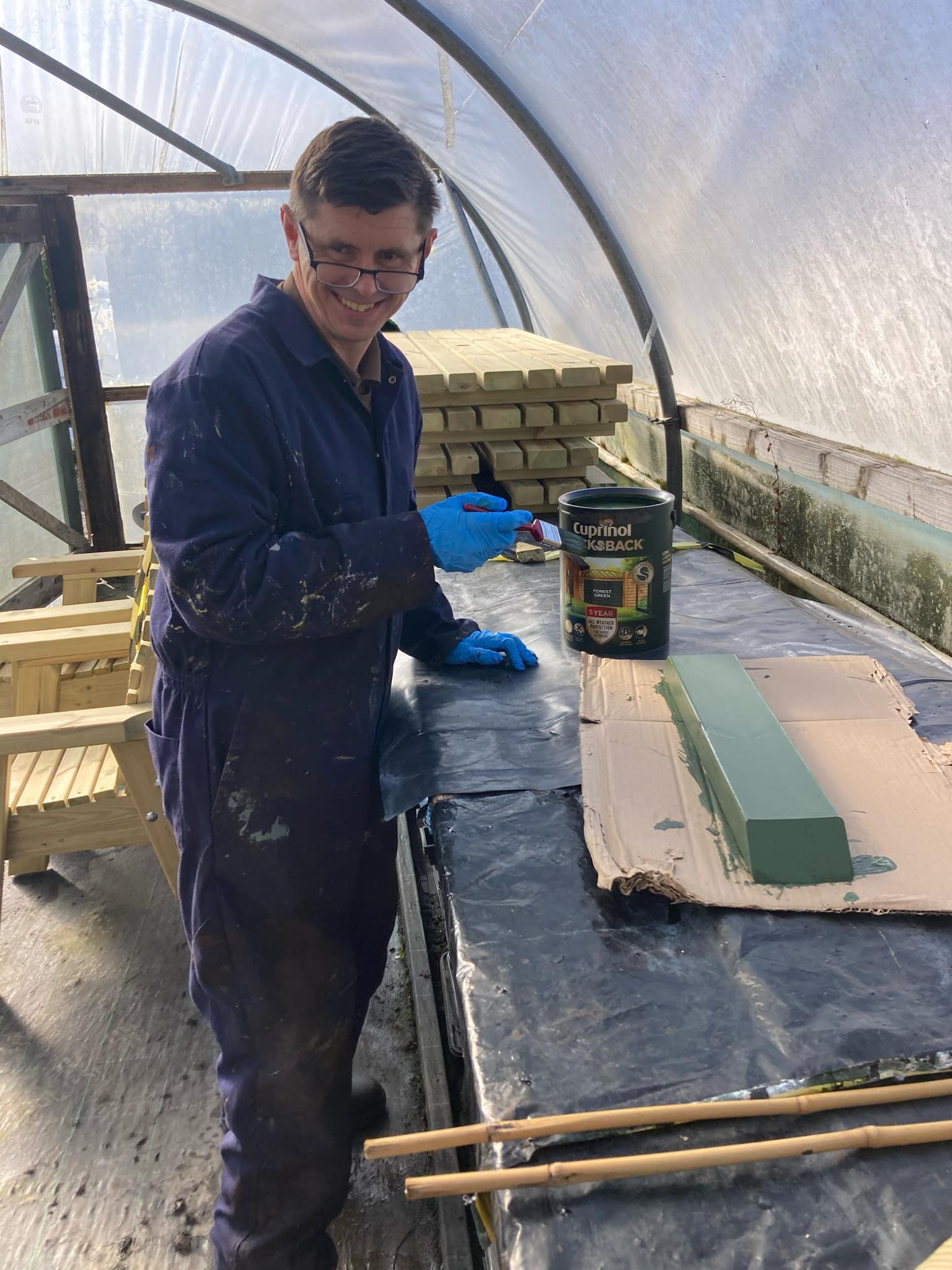
Old farm buildings have gradually been converted into Art rooms, rest rooms, games rooms, a pottery, a locker room, a kitchen, toilet block and a large workshop. We also have a potting shed where all our horticulture work begins.
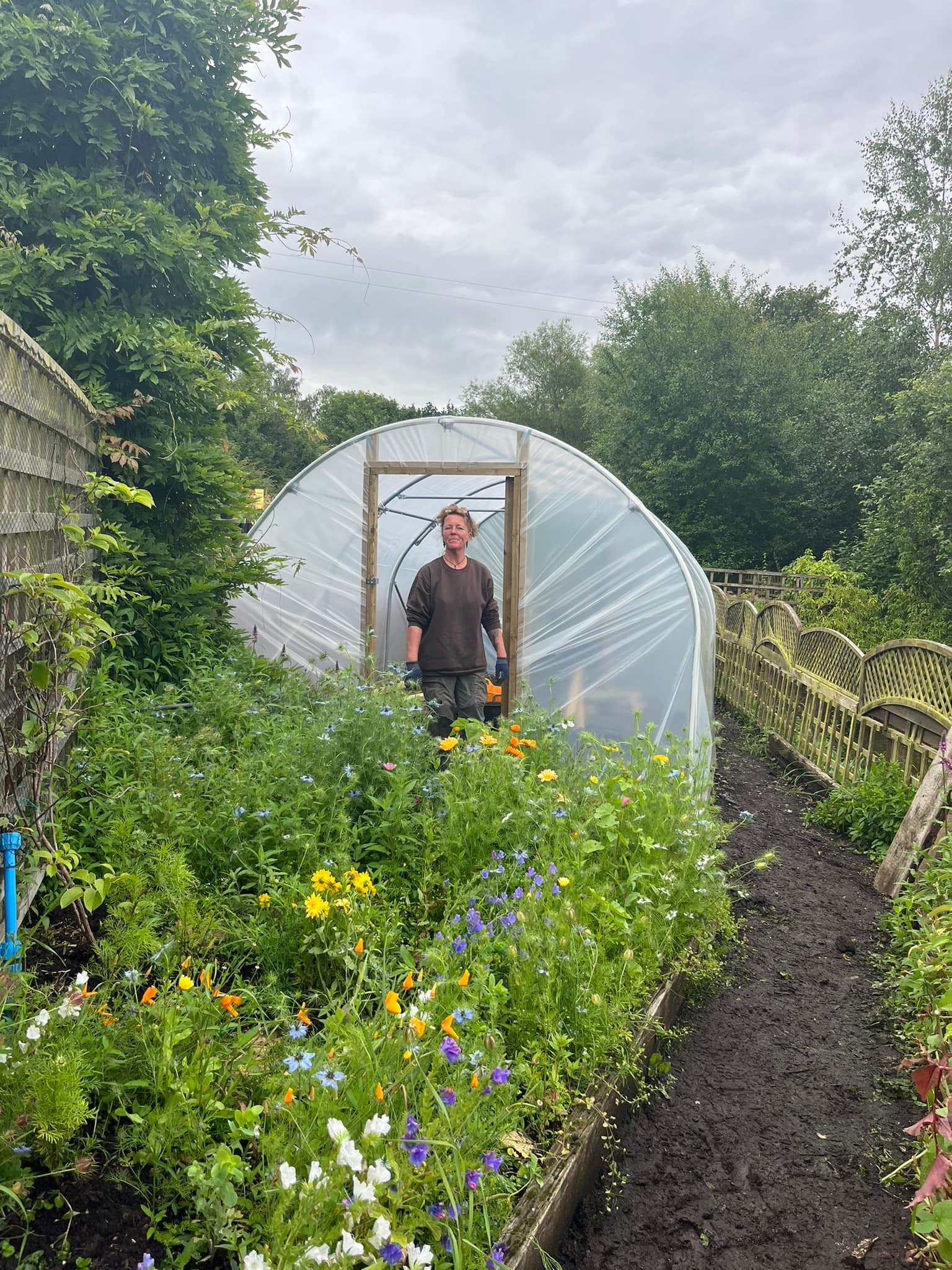
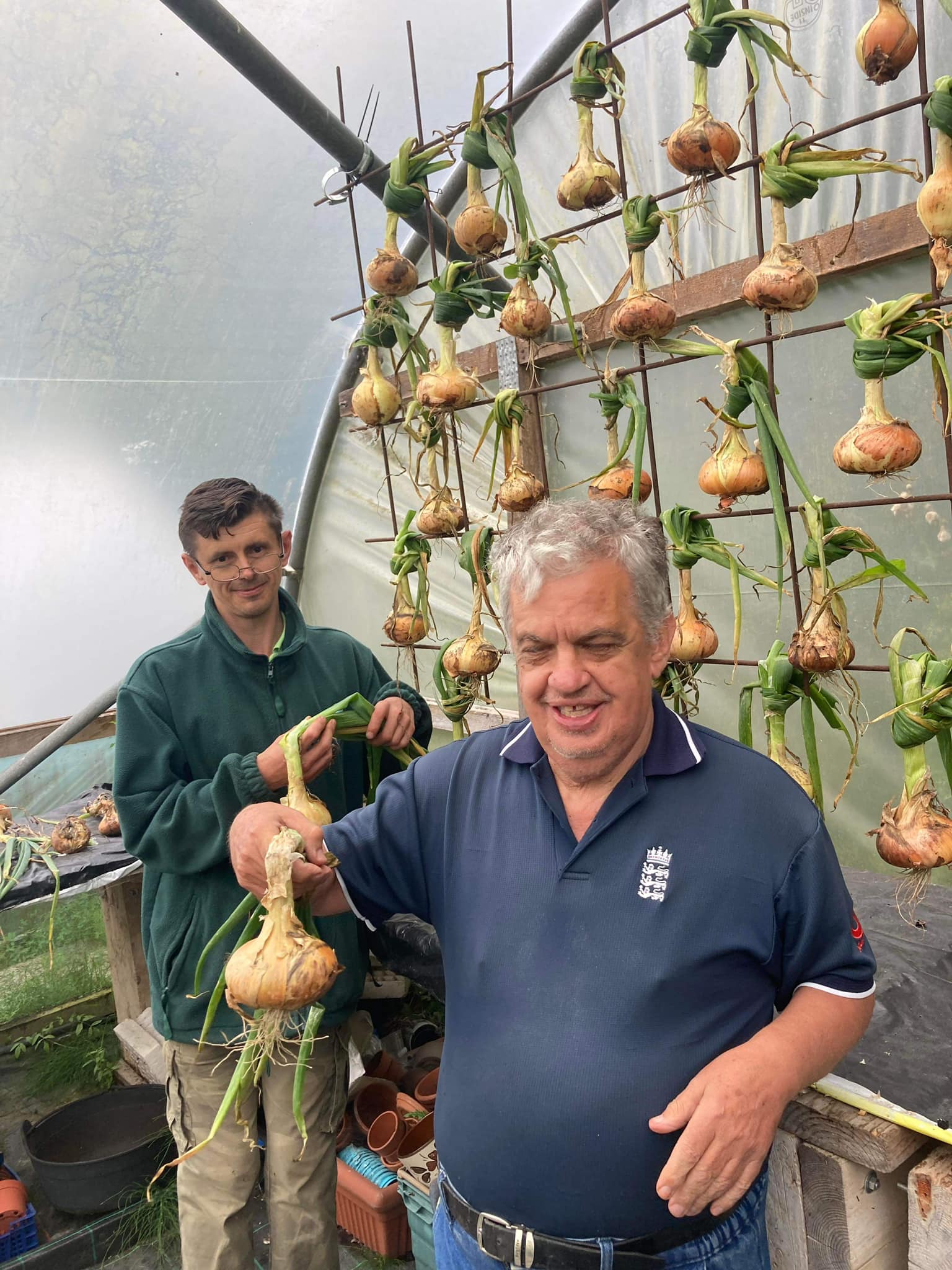
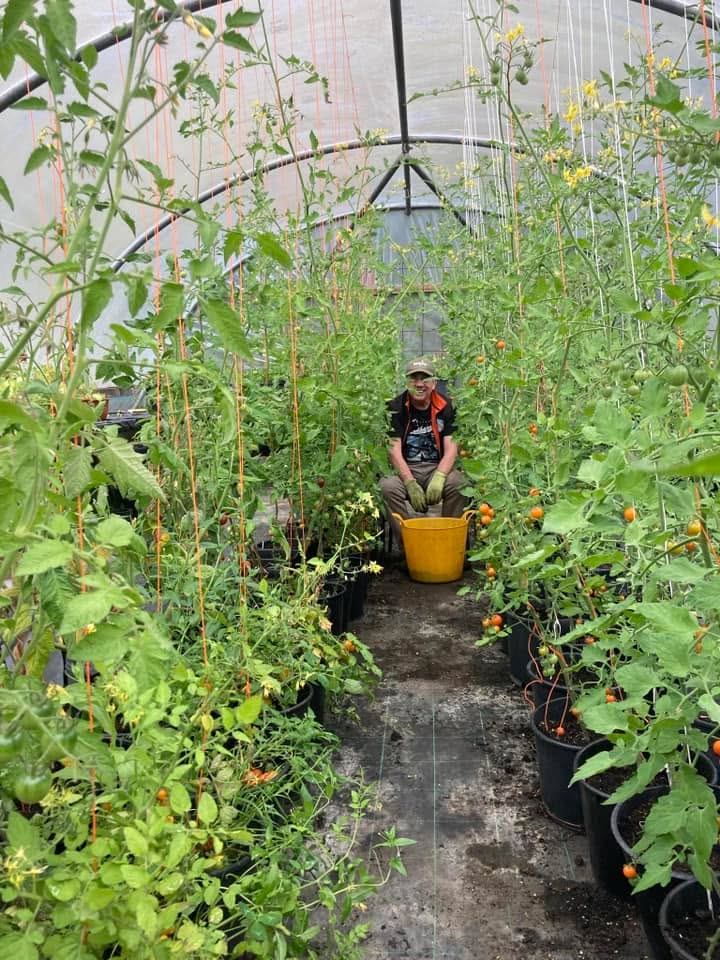
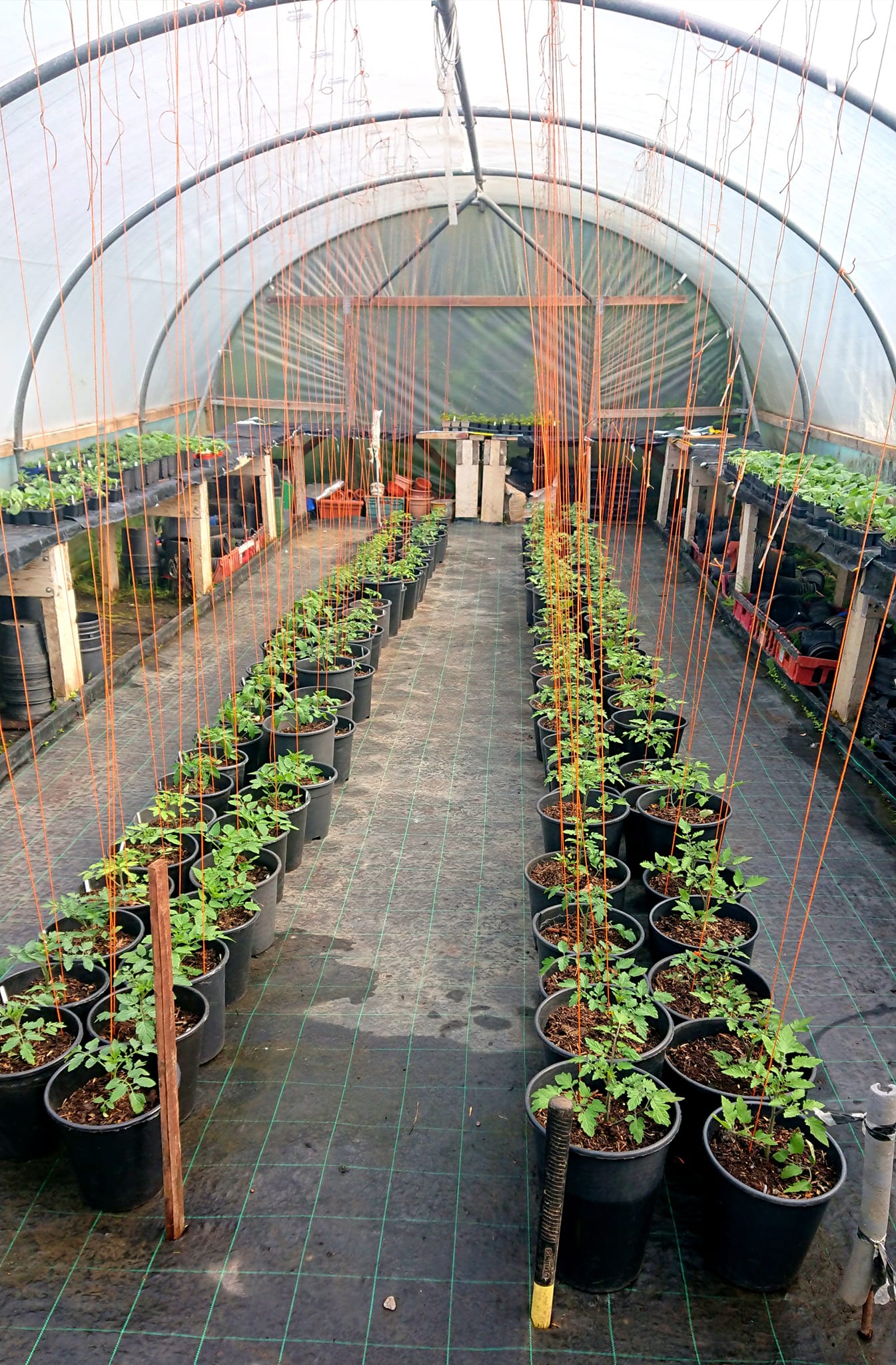
We use the greenhouse for propagating seeds and cuttings, so from February through till May it is brimming with seedlings. From then to Autumn it is filled with cucumber plants. We grow over 120 tomato plants in the second polytunnel, alongside a range of hot chilli plants. The compost that we use for these is all home made from our own green waste. Salads fill the small polytunnel most of the year.
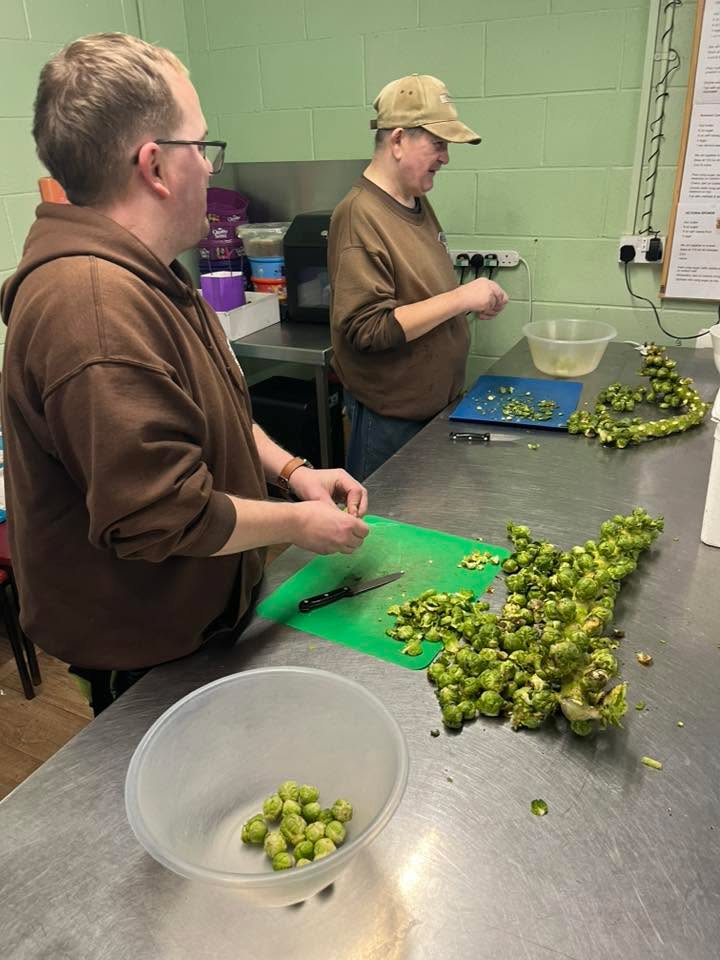
We grow our own vegetables on a traditional four season rotation system using the different levels on the terrace. The produce is used in our meals for the service users, with surplus donated to parents and care homes, and sold in out in the Rainbow Cafe. Anything left after that is made into pickles and chutneys.
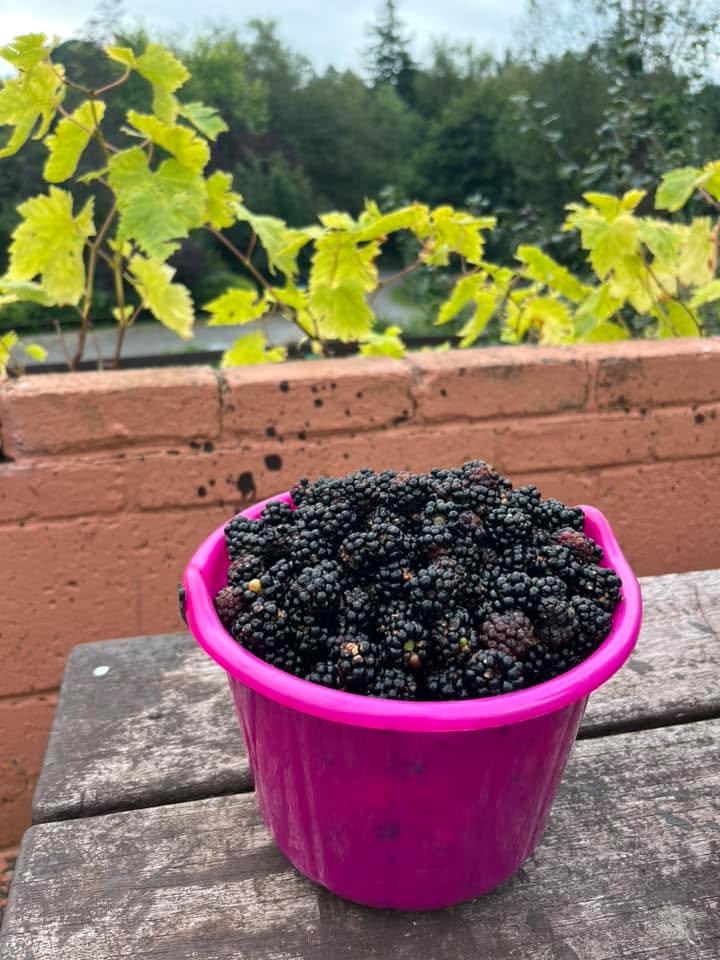
We have a rare collection of apples of ancient varieties, as well as pears, plums, peaches and many types of bush fruits. the wildflowers attract insects which help to pollinate and set the fruit. These get turned into pies and crumbles for the service users as well as jams, jellies, cordials & compotes.
Plant Nursery

Woodlands

As a by-product of our daily activities we end up with a load of plants that need an outlet, so we have our plant Nursery that is filled with high quality, value for money hardy perennials, shrubs and herbs. Most of our staff are RHS qualified, or have other horticulture qualifications so know what they are doing.
You are likely to find something here that the other more commercial centres don't grow, plus we can guarantee that every plant will survive in the north east as it has been made and grown up here.
We have about four acres of woodlands made up of broadleaf trees, which houses a large variety of flora and fauna.
In summer much of the riverside woodland is covered by butterburr on the ground, but in spring it is carpeted in wild garlic, snow drops, sweet cicely and bluebells.
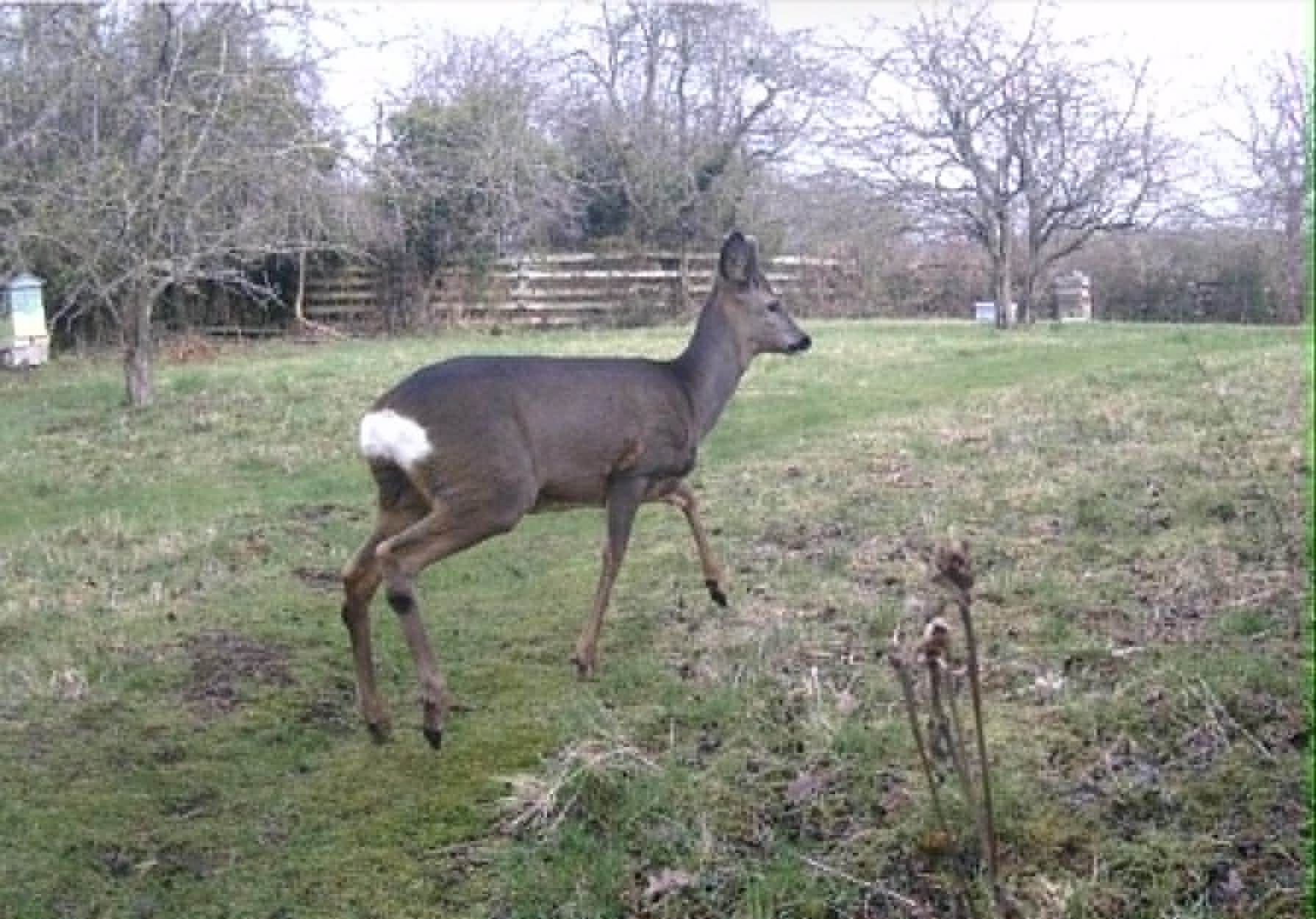
We always have our trail cameras dotted throughout the site and regularly catch deer, badgers, hedgehogs, fox and otters on film. We see the kingfishers, buzzards and herons quite often too..
Meadows

Riverside

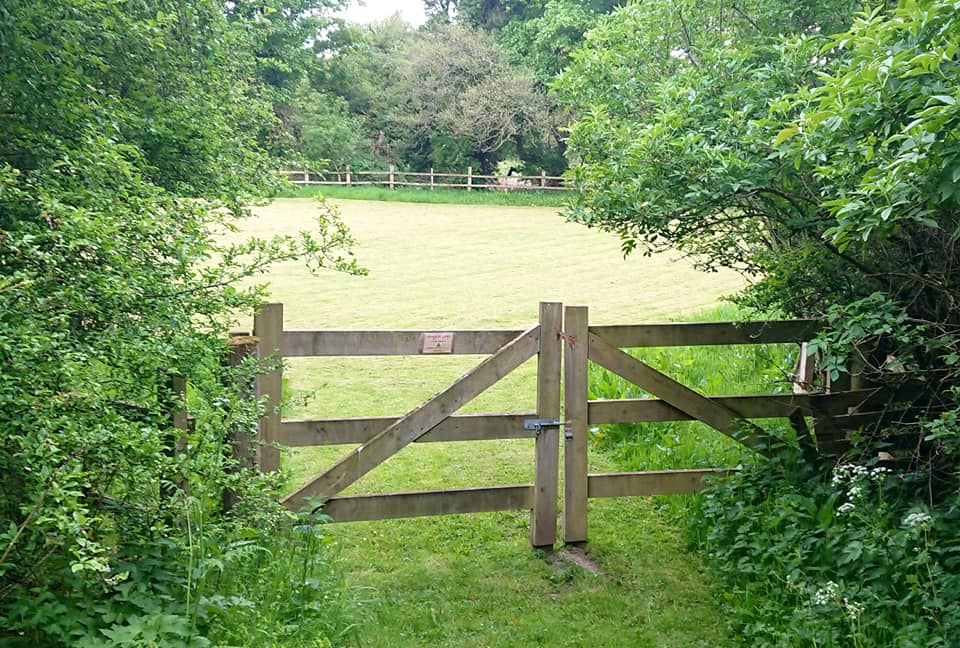
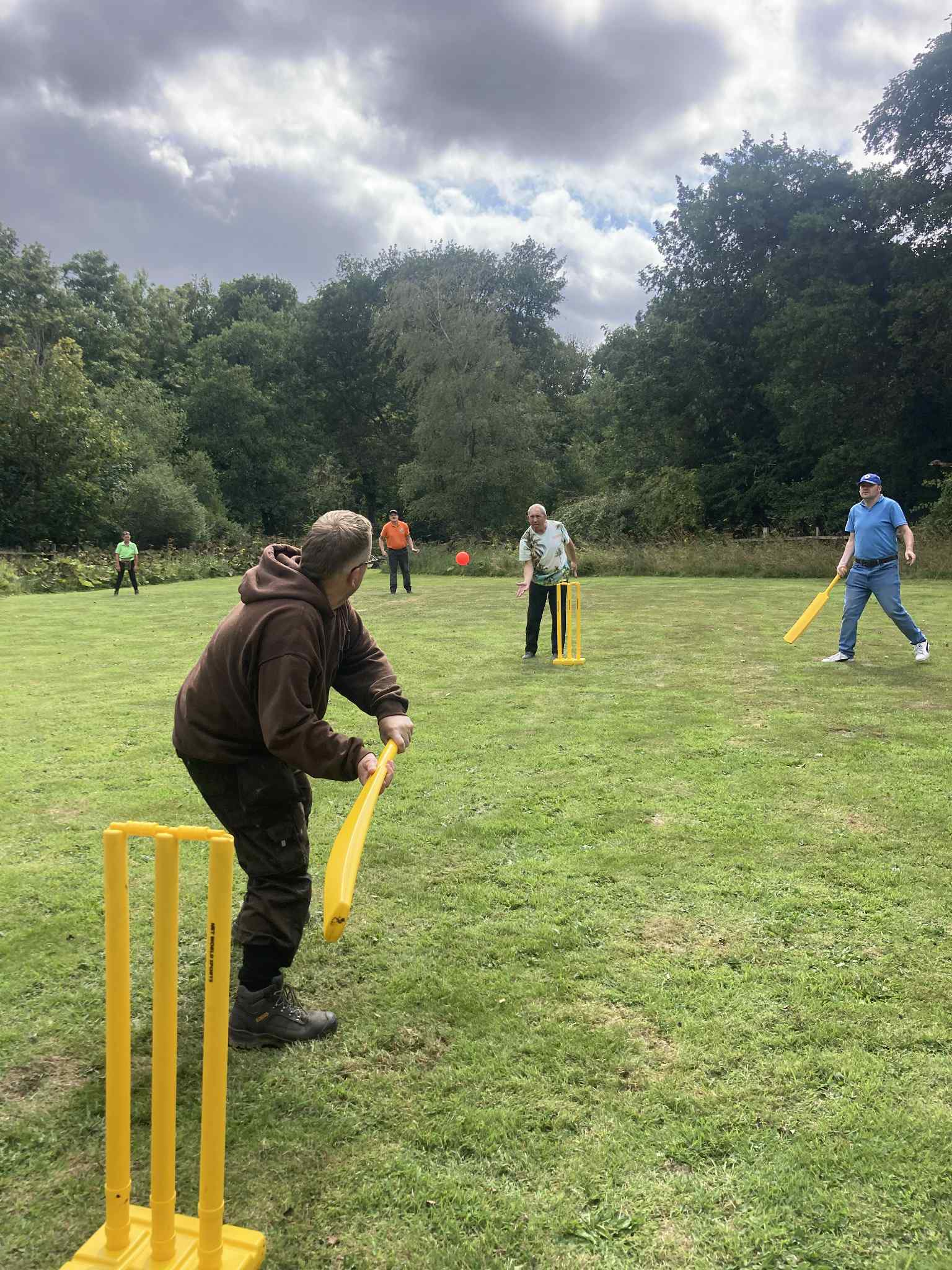
We have two completely different meadows on site. We did a lot of work on the bottom meadow to get it flat and grassed. There is a 2 meter ring of location appropriate wildflowers around the field. We use this for sports and social activities.
Our top meadow has never been dug over and is classed as ancient turf.. It grows a variety of native grasses which attract unique insects. We have our bees on this meadow and just mow a thing path through it.
Our site is bounded to the south by the river Deerness, which flows into the Browney and then the Weir.
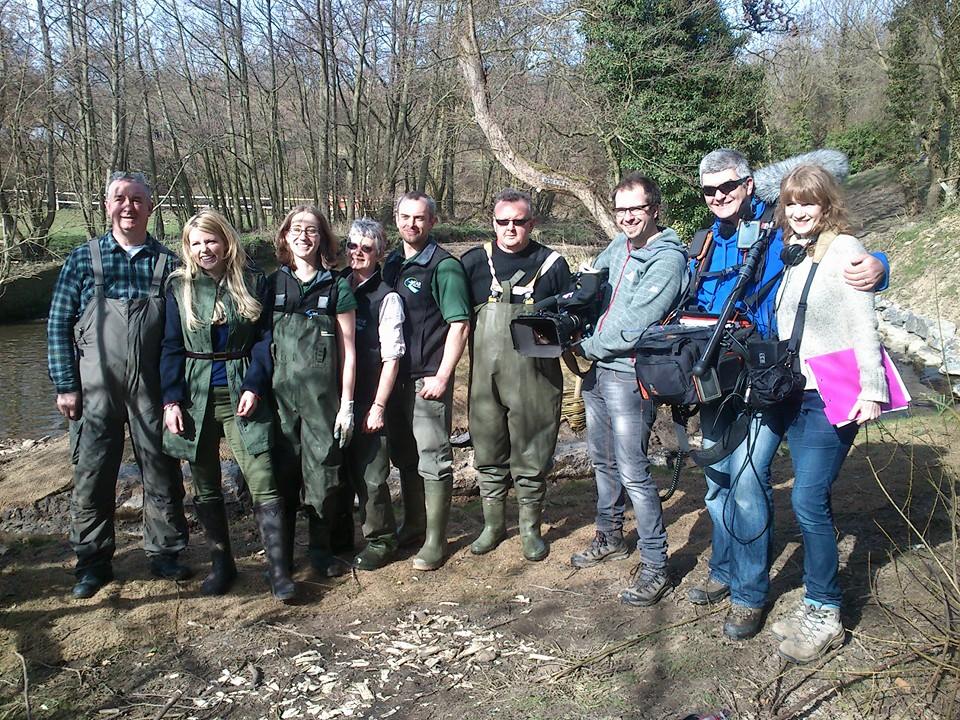
We worked with the Wear Rivers Trust in putting in place a fish pass and shoring up the banks (as seen on BBC Countryfile March 30th 2014). This was put in to help fish, and sea trout in particular, bypass the weir and travel up the river Deerness to spawn. The Trust and Durham University help us with monitoring the fish in the river.
We have remnants of the Ushaw College 'Monks' bathing pool, fed by the river, as well as several natural springs.
The pool was once fully tiled with a row of changing rooms. Today it plays host to frogs, moorhens and herons.
An ancient Roman road runs alongside a stretch of the river, from which pottery relics have been found and are lodged in Durham Museum. There are also rumours of a Saxon burial ground there too.
Lionmouth Rural Centre is set in seven acres of rural countryside on the fringe of Durham City, surrounded by ex-mining villages. It is bounded by the Deerness River to the south and the Deerness Valley Walkway to the North. In between is a mix of woodlands, meadows, ponds, demonstration gardens and vegetable terraces.
So, whats on site?
Rainbow Cafe
The Rainbow Cafe was set up in 2025 in response to demands from the general public to replace the tea rooms that we hd to close during COVID.
It sits in the main car park and is open seasonally from easter till September (the good weather months). We make freshly baked scones, cakes and flapjacks which are complimented by alternative, healhier snacks. there is always a wide range of hot and cold drinks available too. It is a self service cafe, with an honesty box for cash or a QR code for moblie phone payments.
Plenty of seating is available within our demonstration gardens, or you can take your refreshments with you and walk through our woods and meadows and picnic in nature. Dogs are welcome as long as they are kept on a lead and don't worry our wildlife. There are dog poo bags on the back of the cafe and a bin just under it so no excuses for not picking up their smelly presents.

Demonstation Gardens
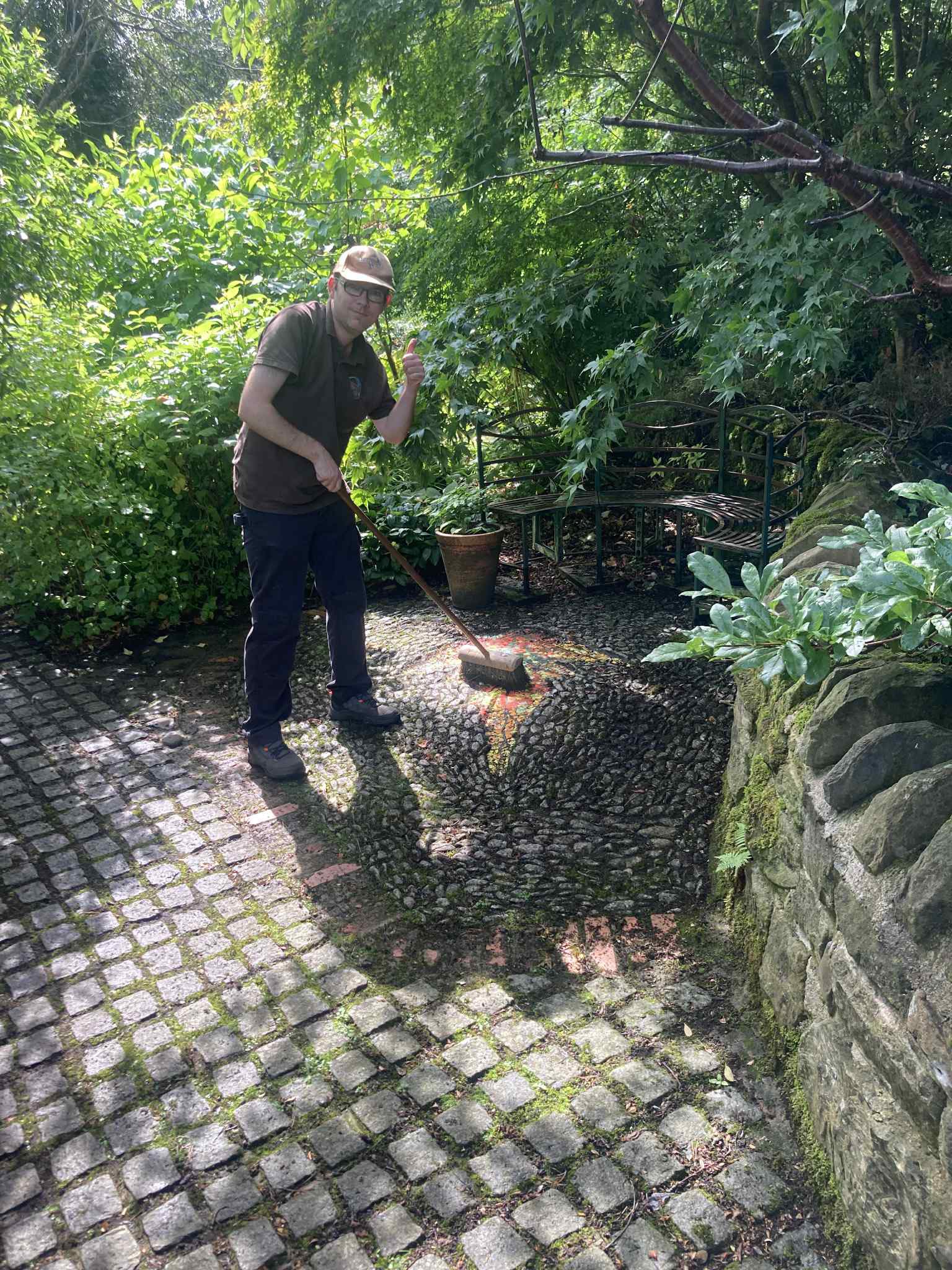
We have a series of demonstration gardens that have evolved over the years. The sensory garden is filled with plants that make noise, have a scent, taste, are interesting to touch or have vibrant colours, so bamboos and grasses, herbs, viburnums, dogwoods and of course the giant Gunnera. You will also find lots of dappled light playing around in the garden, oh and maybe a newt or too. This leads into the Japanese garden that watches over the part of the river that the kingfisher can often be seen.
The garden of reflection is much quieter. It is greener, with lots of white flowering plants and shrubs. It is right next to the water, on a quiet stretch near the bend. There are spring bulbs and wild garlic as well as wooden sculptures made from some of our fallen trees.

Map of the site

Take a quick look around...